 Lumivox
Baking vs Frying in Home Meals
Introduction
One of the most significant differences in how meals are prepared in British home cooking relates to the cooking method chosen for various ingredients. The distinction between baking and frying represents one of the clearest examples of how preparation technique directly influences the nutritional composition and energy density of the final dish.
Understanding Cooking Methods
Different cooking methods introduce varying amounts of fat into food during the cooking process. This addition of fat directly increases the energy content per gram of the final cooked product. Understanding these differences provides context for how home cooks can prepare meals using different techniques.
Frying: Process and Energy Addition
When food is fried, it is typically submerged in or cooked in oil or fat. The food absorbs a portion of this cooking medium, which significantly increases its energy density. Pan-frying typically uses 1-3 tablespoons of fat, while deep-frying submerges food in a larger volume of oil.
The amount of fat absorbed depends on several factors: the surface area of the food, the cooking time, the temperature of the oil, and the moisture content of the ingredient. More porous foods absorb more fat. Traditional British foods frequently prepared by frying include chips (French fries), fried chicken, and fried fish.
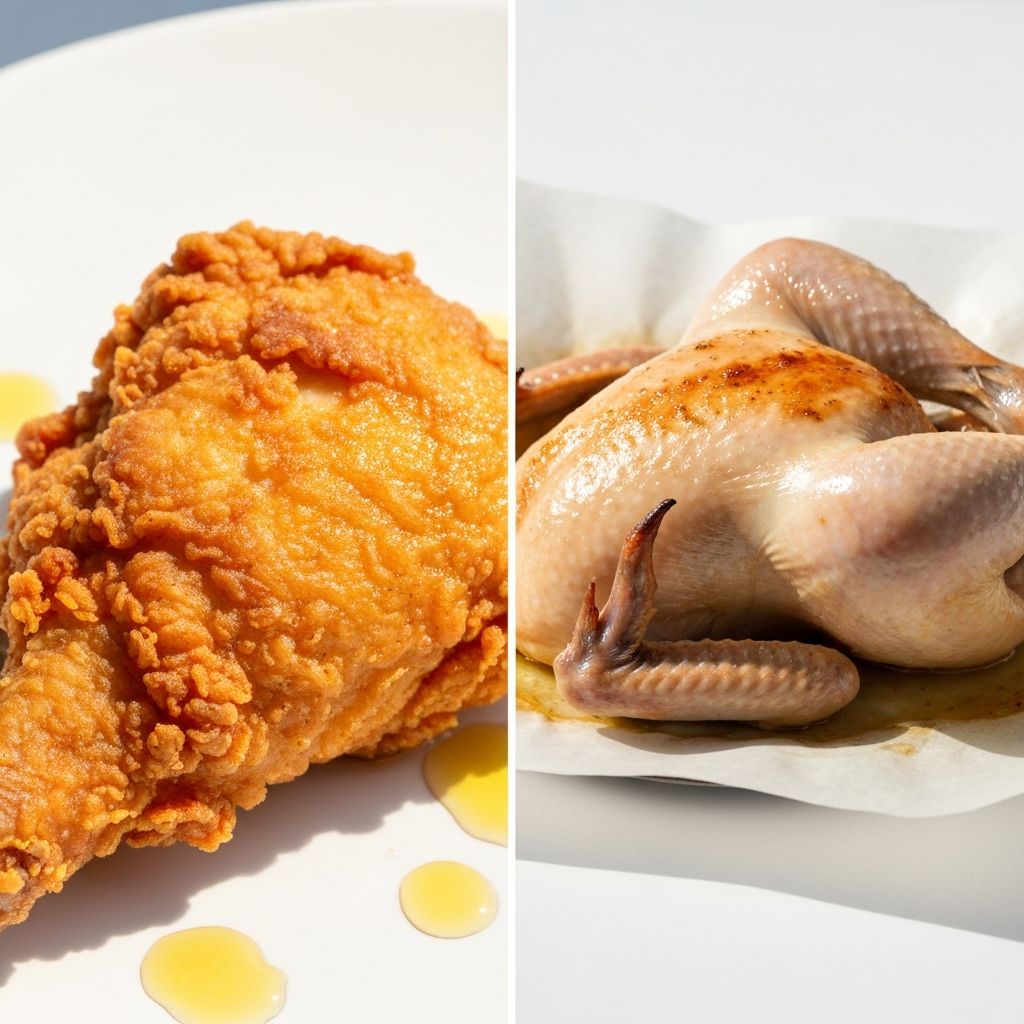
A fried chicken breast absorbs approximately 5-10 grams of additional fat during the frying process, increasing its energy density significantly compared to the raw ingredient.
Baking: Dry Heat Cooking
Baking uses dry heat in an enclosed environment. While a small amount of oil can be added to prevent sticking or improve browning, the amount is typically minimal compared to frying. Many baked foods require little to no additional fat, particularly when using parchment paper or non-stick baking sheets.
Baking also causes water to evaporate from food, which can concentrate flavors and change texture. However, the minimal fat addition means that the energy density of baked items remains relatively lower than fried equivalents of the same ingredient.
A baked salmon fillet requires perhaps 1 teaspoon of oil, compared to several tablespoons that would be absorbed during frying.
Grilling and Steaming Alternatives
Beyond baking and frying, other cooking methods available to home cooks include grilling and steaming. Grilling uses direct heat and requires minimal fat. Steaming cooks food using hot water vapor without any added fat. Both of these methods result in minimal fat addition to the final product.
Energy Density Comparison
The energy density differences between frying and baking are substantial. A single fried potato chip contains approximately 50-60 calories with roughly 3 grams of fat. A baked potato or boiled potato of similar weight contains approximately 20 calories with minimal fat. The cooking method accounts for this nearly threefold difference in energy density.
Moisture and Texture Considerations
Fried foods tend to have low moisture content, creating a crispy exterior and concentrated energy density. Baked foods may retain more moisture depending on the ingredient, which affects both texture and final energy density. Foods prepared by steaming or boiling retain the highest moisture content.
Flavor Development
Different cooking methods produce different flavor profiles. Frying creates browning reactions (Maillard reaction) that develop complex flavors and create appealing textures. Baking also creates browning and flavor development but with less fat addition. Both methods are common in British home cooking for different applications and preferences.
Application in Common British Dishes
Fish and chips represents perhaps the most iconic British dish involving the frying method. The same fish and potato can be prepared by baking or grilling, creating a different nutritional profile. Roasted vegetables are typically prepared with minimal oil compared to vegetables cooked in a frying pan.
Practical Considerations
Home cooks select cooking methods based on various factors including taste preferences, available equipment, time constraints, and traditional preparation methods. Different cooking methods have legitimate reasons for their use in cooking traditions and home kitchens. This article presents the objective differences in how these methods affect nutritional composition rather than advocating for any particular approach.
Summary
Baking and frying represent fundamentally different approaches to heat-based cooking that have different effects on the energy density of foods. Frying introduces substantial amounts of fat, while baking typically requires minimal fat addition. These are factual differences in cooking technique that affect the final nutritional composition of prepared meals.